
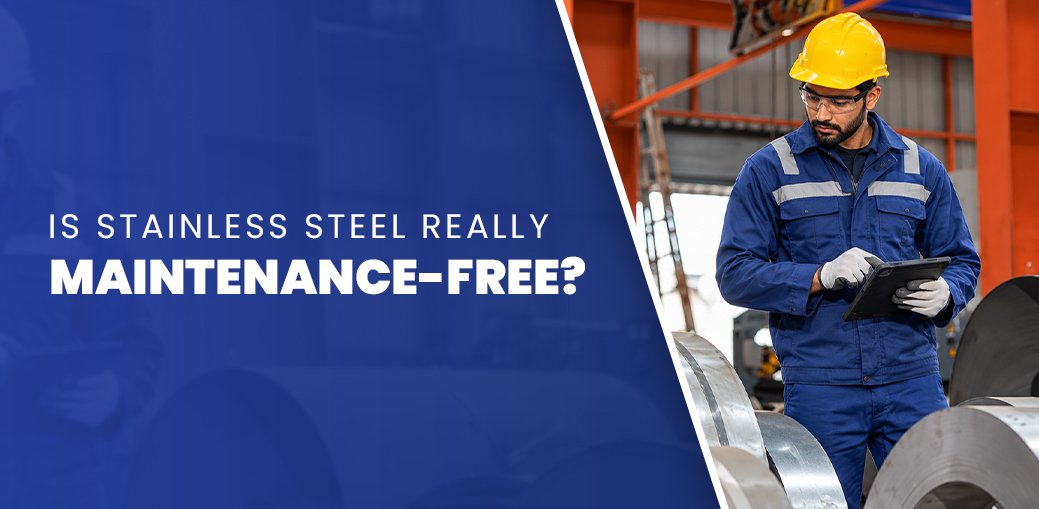
Stainless steel is widely recognized for its durability, corrosion resistance, and long service life. From industrial piping systems and food processing equipment to architectural structures, it is frequently selected because of its relatively low maintenance requirements. However, while stainless steel is highly resistant to corrosion, it is not completely maintenance-free. Understanding its maintenance needs helps preserve its appearance and long-term performance.
Why Is Stainless Steel Considered Low-Maintenance?
Stainless steel contains chromium, which forms a thin protective oxide layer on its surface. This passive layer helps protect the underlying metal from corrosion under suitable conditions. Unlike certain materials that require frequent painting or protective coatings, stainless steel can maintain its corrosion resistance with relatively simple care and cleaning.
Can Stainless Steel Rust?
Although stainless steel offers excellent corrosion resistance, it can still develop corrosion under certain conditions. Exposure to chlorides, harsh chemicals, contaminated surfaces, or prolonged moisture can damage its protective layer. Choosing the appropriate stainless steel grade and keeping surfaces clean are important for reducing these risks.
Essential Stainless Steel Maintenance Practices
Regular maintenance helps preserve stainless steel’s durability, appearance, and corrosion resistance.
Regular Cleaning
Removing dirt, grease, and surface deposits helps prevent contamination and maintains the material’s protective surface.
Avoiding Harsh Cleaning Materials
Abrasive cleaning tools and unsuitable chemicals can damage stainless steel surfaces. Using appropriate cleaning products helps maintain surface quality.
Preventing Surface Contamination
Contact with carbon steel particles or contaminated tools can introduce iron deposits that may develop surface rust.
Routine Inspection
Industrial stainless steel components should be inspected periodically for corrosion, mechanical damage, and other signs of deterioration.
Choosing the Right Stainless Steel Grade
Different stainless steel grades offer varying levels of corrosion resistance. Stainless steel 304 is widely used in general industrial applications, while Grade 316 is often preferred in environments involving greater chloride exposure. Selecting the appropriate grade helps reduce maintenance requirements and supports long-term material performance.
Conclusion
Stainless steel is low-maintenance, but it is not completely maintenance-free. Proper cleaning, suitable material selection, and routine inspections help preserve its corrosion resistance and durability. Investing in quality stainless steel products and maintaining them correctly can improve long-term performance across industrial applications.
Discover quality stainless steel products and industry insights at Hatimi Steel Traders.
